
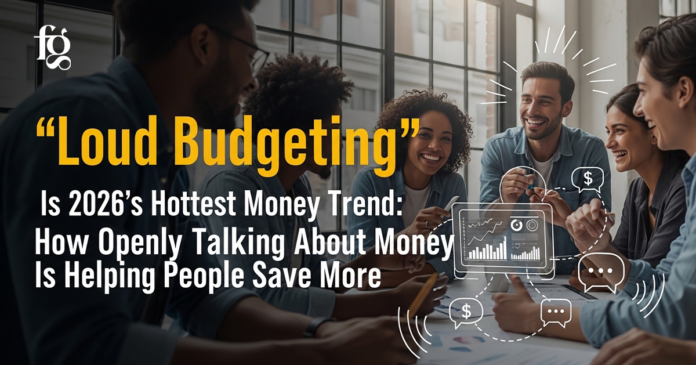
In 2026, the way people approach money is undergoing a noticeable shift. For decades, financial conversations were often avoided-seen as too personal, too uncomfortable, or even inappropriate. But that silence is beginning to break.
A growing number of individuals are embracing loud budgeting, a trend that encourages openly discussing financial limits, goals, and priorities. Instead of quietly stretching their budgets to meet social expectations, people are choosing transparency-and in doing so, they’re saving more and stressing less.
This isn’t just a social media fad. It’s a practical response to rising living costs, financial pressure, and a broader desire for control over personal finances.
What Is Loud Budgeting?
At its core, loud budgeting is about being honest-both with yourself and others-about your financial situation.

It means saying things like:
- “I’m skipping this-I’m focusing on saving right now.”
- “That’s not in my budget this month.”
- “I’m working toward a financial goal.”
Unlike traditional budgeting, which happens privately, loud budgeting brings financial decision-making into everyday conversations.
And that shift is proving to be powerful.
Why Loud Budgeting Is Gaining Momentum in 2026
The rise of loud budgeting isn’t random-it’s being driven by real economic and cultural changes.
1. Rising Living Costs
With expenses increasing across housing, food, and utilities, more people are reassessing their spending habits. Being vocal about limits helps avoid unnecessary financial strain.
2. Changing Social Norms

Financial transparency is becoming more accepted. Conversations that once felt taboo are now seen as responsible and even empowering.
3. Financial Awareness
People are more informed than ever. Whether through online platforms or community discussions, individuals are actively seeking smarter ways to manage money-often sharing insights in spaces similar to a personal finance advice forum.
4. Rejecting Lifestyle Pressure
There’s a growing resistance to spending just to “keep up.” Loud budgeting allows people to opt out of that cycle without guilt.
How Loud Budgeting Actually Helps You Save
What makes loud budgeting effective isn’t just the concept-it’s the behavioral change it creates.
1. Eliminates Social Spending Pressure
One of the biggest drivers of overspending is social expectation. By openly stating your financial boundaries, you remove the need to justify or hide your decisions.
2. Creates Accountability
When you talk about your financial goals, they become more tangible. Whether you’re saving, investing, or reducing debt, saying it out loud reinforces commitment.
For those working toward financial independence, strategies discussed in 10 Ways to Use AI for Passive Income in 2025 can complement this approach by increasing income while maintaining disciplined spending.
3. Encourages Intentional Spending
When you verbalize your decisions, you naturally become more mindful. Every purchase is evaluated against your priorities, reducing impulsive behavior.
4. Improves Financial Confidence
Money-related stress often comes from avoidance. Loud budgeting replaces that with clarity and control, helping individuals feel more confident in their financial choices.
Practical Ways to Start Loud Budgeting
Adopting loud budgeting doesn’t require drastic changes-just small shifts in communication.
1. Be Direct About Your Priorities
Instead of making excuses, be clear:
- “I’m saving this month.”
- “I’m focusing on paying off debt.”
2. Define Your Financial Goals
Clarity makes communication easier. Whether it’s building an emergency fund or planning for a major purchase, knowing your goal helps reinforce your decisions.
3. Normalize Money Conversations
Start discussing finances with people you trust. Over time, these conversations become more natural and less intimidating.
4. Align Spending with Long-Term Plans
If your goal is to build sustainable income streams, approaches outlined in How to Build a Passive Income Stream with Crypto in 2025 show how disciplined financial habits can support long-term growth.
Common Misconceptions About Loud Budgeting
“It’s Socially Awkward”
In reality, honesty is often respected. Many people feel relieved when someone else speaks openly about money.
“It Means You Can’t Afford Anything”
Not at all. Loud budgeting is about prioritization, not limitation. Even financially secure individuals use it to stay aligned with their goals.
“People Will Judge Me”
More often than not, the opposite happens. Transparency tends to encourage others to reflect on their own financial habits.
The Psychological Shift Behind Loud Budgeting
Beyond the numbers, loud budgeting has a strong psychological impact.
- Reduces financial anxiety
- Eliminates guilt-driven spending
- Encourages healthier money habits
Instead of feeling restricted, people feel intentional.
How This Trend Fits Into a Bigger Financial Shift
Loud budgeting reflects a broader change in how people view money in 2026.
There’s a growing focus on:
- Financial independence
- Smarter income strategies
- Intentional living
For example, individuals exploring alternative income sources-such as those discussed in Freelance Digital Marketing: From Side Hustle to Full-Time Income-are pairing earning strategies with disciplined spending habits like loud budgeting to maximize results.
This combination is what makes the trend so effective.
Is Loud Budgeting for Everyone?
Not necessarily-and it doesn’t have to be.
Some people prefer privacy, and that’s completely valid. The goal of loud budgeting isn’t to overshare-it’s to remove shame and create clarity.
You can adapt it to your comfort level:
- Share only with close friends
- Apply it selectively in social situations
- Or simply use it as a personal mindset
Long-Term Financial Benefits
When practiced consistently, loud budgeting can lead to meaningful financial progress.
- Higher savings rates
- Better spending control
- Reduced debt
- Stronger financial discipline
Over time, these small behavioral changes compound into significant financial outcomes.
Final Thoughts
Loud budgeting is more than a trend-it’s a shift in mindset.
By choosing transparency over silence, people are taking control of their finances in a practical and sustainable way. In an environment where financial pressure is high, simply being honest about money is proving to be one of the most effective strategies available.
Sometimes, the most impactful change isn’t about earning more-it’s about being clear, intentional, and unapologetic about how you spend.
FAQs
Loud budgeting is the practice of openly communicating your financial limits and goals instead of keeping them private.
Rising living costs, increased financial awareness, and changing social norms are making open money conversations more common.
Yes, it reduces social pressure, increases accountability, and encourages intentional spending.
No, people at all income levels use it to stay aligned with their financial priorities.
Begin by clearly communicating your financial goals and limits, and gradually normalize money conversations in your daily life.

